Managing social media for a single brand is complex. Managing it across multiple locations—each with its own audience, offers, and local relevance—adds another layer of difficulty. Without a structured system, content becomes inconsistent, messaging gets diluted, and performance suffers. That’s where a well-built social media content calendar becomes essential. For multi-location brands, it’s not just about planning posts—it’s about aligning strategy, maintaining brand consistency, and driving measurable engagement across every market.
Why Multi-Location Brands Struggle With Social Media
Multi-location brands often face a disconnect between central strategy and local execution. Corporate teams focus on brand messaging, while individual locations try to create content that resonates with their specific audience. Without a unified content planning system, this leads to inconsistent visuals, mixed messaging, and missed opportunities for engagement.
Additionally, many brands fall into reactive posting—publishing content without a long-term strategy. This approach may fill the feed, but it rarely drives results. A structured content calendar eliminates this issue by providing clarity, direction, and consistency.
What Is a Social Media Content Calendar?
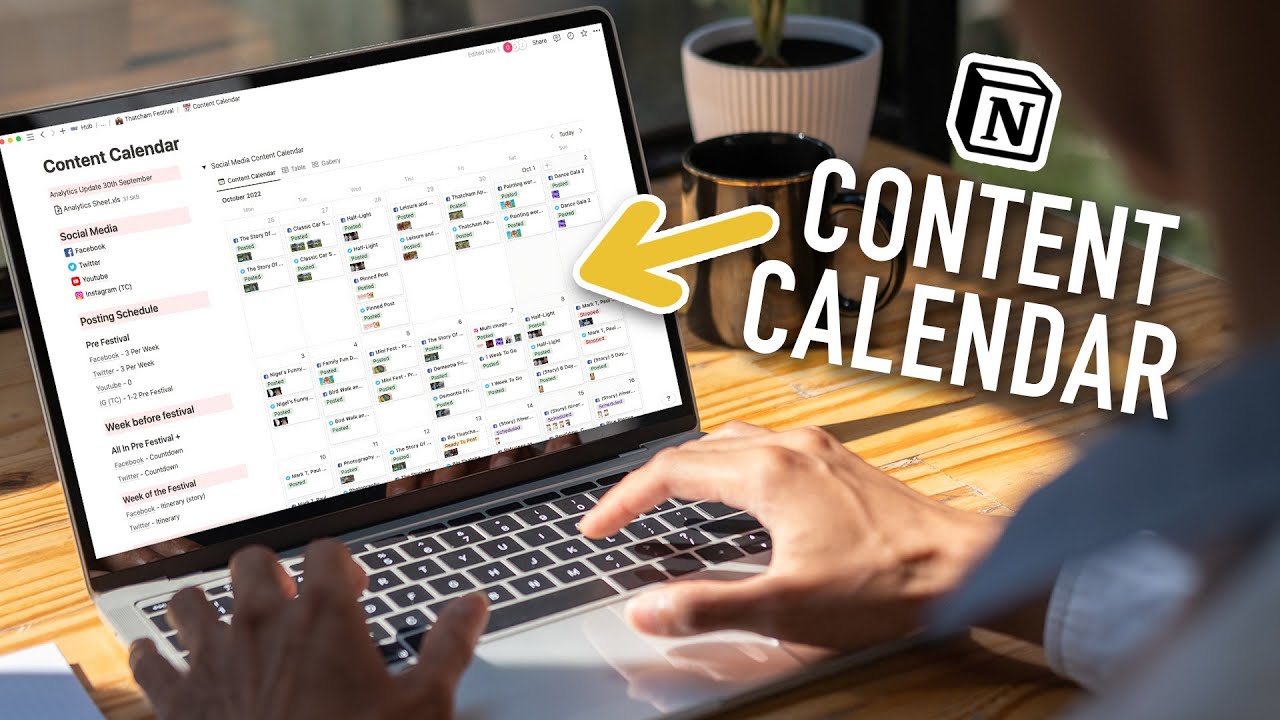
A social media content calendar is a strategic framework that outlines what content will be published, when it will be posted, and where it will appear. For multi-location brands, it also defines how content is adapted across different locations while maintaining a unified brand identity.
It goes beyond scheduling. A strong calendar aligns content with business goals, audience behavior, and campaign priorities, ensuring that every post contributes to overall performance.
The Foundation: Central Strategy With Local Flexibility
The most effective content calendars balance control and customization. A centralized strategy ensures brand consistency, while local flexibility allows each location to connect with its audience.
Corporate teams should define:
- Core messaging and brand voice
- Content themes and campaign direction
- Design guidelines and templates
Local teams can then adapt:
- Location-specific promotions
- Community-driven content
- Local events and updates
This structure ensures that the brand feels cohesive while still being relevant at a local level.
Structuring Your Content Calendar for Performance
A high-performing content calendar is built around clear content pillars. These pillars ensure variety while keeping messaging aligned.
Common pillars include:
- Educational content that provides value
- Promotional content tied to offers or services
- Social proof such as reviews and testimonials
- Community or lifestyle content that builds connection
By rotating these pillars, brands can maintain consistent audience engagement without overwhelming followers with repetitive messaging.
Planning Content With Intent
Effective content planning starts with understanding your audience. Each location may have different preferences, behaviors, and peak engagement times. A strong calendar accounts for these variations while maintaining a unified posting schedule.
Instead of posting randomly, plan content around:
- Seasonal trends and campaigns
- Product or service launches
- Local events and promotions
- Key business objectives
This ensures that every post has a purpose and contributes to a larger strategy.
Maintaining Brand Consistency Across Locations
For multi-location brands, brand consistency is critical. Inconsistent visuals, tone, or messaging can weaken trust and reduce recognition.
To maintain consistency:
- Use standardized templates for posts and graphics
- Define clear caption guidelines and tone of voice
- Provide a shared asset library for all locations
Consistency does not mean uniformity—it means that every piece of content feels like it belongs to the same brand, even when tailored locally.
Optimizing for Engagement and Conversions
A content calendar should not only organize posts but also improve performance. Increasing audience engagement requires intentional design and messaging.
Focus on:
- Strong hooks in the first line of captions
- Clear calls-to-action that guide user behavior
- Interactive formats such as polls, questions, or carousels
- Content that encourages sharing and saves
Engagement is not just about likes—it’s about creating meaningful interactions that move users closer to conversion.
Measuring What Works and Refining Strategy
A successful content calendar evolves over time. Tracking performance metrics helps identify what resonates with your audience and what needs improvement.
Key metrics include:
- Engagement rate (likes, comments, shares)
- Reach and impressions
- Click-through rates
- Conversions or leads generated
By analyzing this data, brands can refine their content strategy and continuously improve results across all locations.
What Makes a Content Calendar Convert?
A social media content calendar that converts is built on strategy, not just scheduling. It aligns content with audience intent, maintains brand consistency, and adapts to local relevance. Most importantly, it ensures that every post has a clear purpose—whether it’s building awareness, driving engagement, or generating leads.